Concrete Pool Decks
Outdoor slabs around pools and spas, poured with slip-resistant finishes and drainage grades that handle Ocala's daily summer rain.
Learn more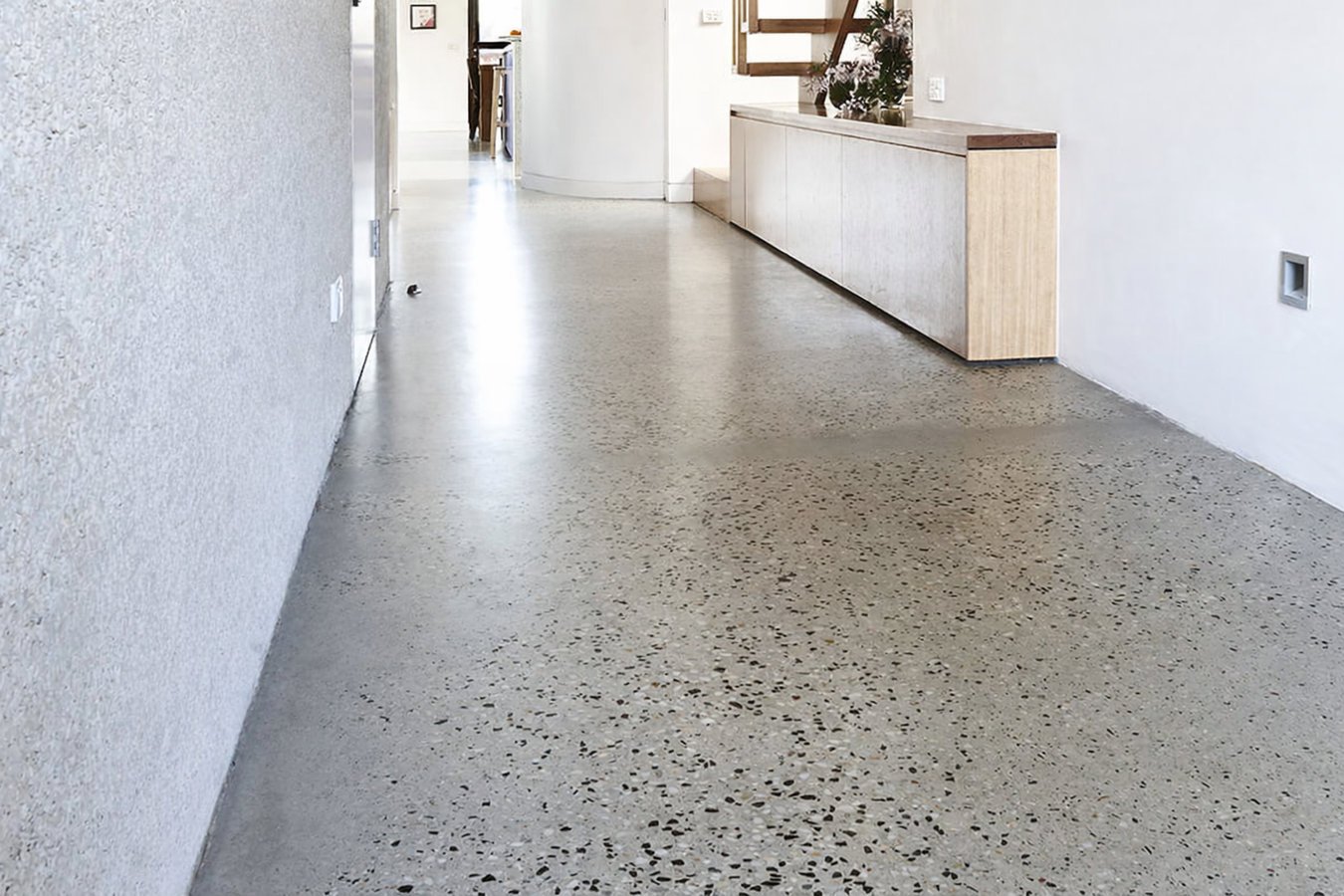
Ocala's sandy soil cracks floors that skip proper base prep. We compact the ground right, pull the permit, and pour a slab that stays level and intact through Florida's heat and wet seasons.
Concrete floor installation in Ocala starts with removing any existing material, compacting the sandy subgrade, and laying a gravel base before a single drop of concrete is poured - most residential projects run one to three days on-site, with the floor walk-ready within 24 to 48 hours and vehicle-ready within a week. Base preparation is the step that separates a floor lasting 40 years from one that cracks and settles within five, and it is where corners get cut most often in Central Florida.
Whether you need a garage floor, a workshop slab, a barn aisle, or a utility room - Ocala's mix of retirees, equestrian properties, and residential conversions means local contractors here regularly handle projects that would be unusual in other markets. A barn floor with drains, a golf cart garage, a carport conversion - we have done it before.
If your project involves a level outdoor space rather than an interior slab, our garage floor concrete page covers specifications for attached and detached garage pours in more detail. We can review both in the same site visit if the scope overlaps.
A crack that was small last year but is noticeably wider or longer now means the ground beneath the slab is still moving. In Ocala's sandy soil, progressive cracking is common and will not fix itself. If you can fit a quarter into the crack, it is past the point of patching and worth having a contractor assess the full slab.
If you feel a dip or rise when you walk across your garage or utility floor, the slab has settled unevenly - often because the base beneath it was not compacted properly or has eroded over time. This is not cosmetic: uneven floors make it harder to park vehicles safely, use equipment, or store items without them shifting.
A properly installed floor is sloped slightly to direct water toward a drain or door opening. If puddles sit on your floor after Ocala's summer rains or after you wash the space down, the floor either was not graded correctly or has settled in a way that reversed the slope. Standing water in Ocala's humid summers creates mold risk and slip hazards.
Many homes in Ocala's established neighborhoods were built between the 1970s and 1990s, and original concrete floors from that era have absorbed decades of Florida heat, humidity, and seasonal moisture cycles. If the surface is spalling, pitted, or crumbling at the edges, replacement is often more cost-effective than continued patching.
Every floor project starts with a free on-site visit. We measure the area, check the condition of the existing surface or ground, look at drainage requirements, and give you a written quote that covers base prep, thickness, finish, permits, and cleanup before you commit to anything. Marion County requires permits for most new concrete slabs in enclosed structures - we handle that application so your project is on record and inspected.
We pour slabs at the right thickness for the intended use: four inches is standard for residential floors, five to six inches for areas that will carry vehicles or heavy equipment. Steel wire mesh or rebar is embedded in floors that need extra reinforcement. Finish options range from a practical broom texture for garages to smooth trowel finishes for utility rooms to stamped or stained surfaces where appearance matters.
For outdoor concrete surfaces around a pool or entertaining area, our concrete pool decks service covers those projects specifically, including slip-resistant finishes and drainage grades required for pool surrounds. We can discuss both in the same estimate if your project includes interior and exterior slabs.
Textured surface adds grip underfoot - the practical default for garages, workshops, and any space that will get wet.
Clean, polished surface suited to utility rooms, interior spaces, and floors that will be painted or sealed.
Decorative option for homeowners who want the floor to look as good as it performs - popular for patios and accessible living spaces.
Much of Ocala sits on loose, sandy soil that shifts and settles more than the denser soils found in other parts of the country. A slab poured without proper compaction and a gravel base will crack and settle within a few years, regardless of how good the concrete mix was. Contractors who work primarily in this region know to treat base preparation as the most important part of any floor project - not an optional add-on. The American Concrete Institute publishes clear guidance on why subgrade preparation determines long-term slab performance.
Ocala's climate adds two more variables that affect every pour. Summer temperatures regularly reach the low-to-mid 90s, and afternoon thunderstorms arrive with little warning between June and September. Concrete poured in extreme heat dries too fast and loses long-term strength; concrete rained on before it sets is permanently weakened. We schedule pours for early morning during warm months, monitor the forecast closely, and apply curing measures that account for the heat. The dry season from October through April gives more scheduling flexibility, which is why those months book up faster.
We serve homeowners across the region, including Spring Hill, Lakeland, and Gainesville. Sandy soil conditions and high seasonal rainfall are consistent across this part of Central Florida, so our base preparation standards apply on every project throughout the service area.
We visit your property to measure the space, check existing conditions and drainage, and give you a written quote covering base prep, thickness, finish, permit fees, and cleanup. We respond within 1 business day.
If your project requires a Marion County permit - which is standard for most new slabs in enclosed structures - we submit the application on your behalf. We schedule your pour date around permit approval and the seasonal forecast.
The crew removes existing material, compacts the soil, lays the gravel base, and sets the edge forms. The concrete truck arrives and the pour, leveling, and finishing happen the same day - starting early morning to get ahead of afternoon weather.
You can walk on the floor within 24 to 48 hours. Vehicles should wait about a week. We walk you through the finished slab, explain care during the curing period, and cover what to watch for so you know the floor is performing as intended.
We respond within 1 business day. There is no obligation - just a free on-site look and a written estimate before you decide anything. After you submit, someone from our office calls to schedule your visit at a convenient time.
(813) 869-3491Our state license through the Florida Department of Business and Professional Regulation is verifiable online before you hire us. We pull Marion County permits for every project that requires one - an inspector confirms the finished slab meets local standards, so you have documentation that protects you when it matters.
We work in Marion County and the surrounding area every week. We know Ocala's sandy subgrade requires compaction and gravel base work that out-of-area contractors routinely skip. That preparation is part of every quote we write - it is not an upgrade you have to request.
Afternoon thunderstorms between June and September can ruin a slab if a contractor is not watching the forecast. We schedule pours for early morning during warm months and apply curing methods suited to Ocala's heat so the floor develops full strength - a step the National Ready Mixed Concrete Association identifies as critical to long-term slab quality.
Our estimates include base prep, concrete thickness, finish, permit fees, reinforcement if applicable, and cleanup - all in writing before work begins. Ocala projects vary significantly based on soil conditions and site access, so we never quote over the phone. You get a number you can count on, not a ballpark that grows once work starts.
A concrete floor that lasts in Ocala is not complicated - it requires the right base preparation for sandy soil, the right curing practices for a hot, wet climate, and a permit process that keeps the work on record. That is the standard we hold ourselves to on every project, whether it is a 400-square-foot utility room or a 2,000-square-foot barn floor.
Outdoor slabs around pools and spas, poured with slip-resistant finishes and drainage grades that handle Ocala's daily summer rain.
Learn moreAttached and detached garage pours built to the right thickness for vehicles, with finish options that hold up to Florida's heat and humidity.
Learn moreOur calendar fills fast in the dry season - reach out now to lock in your pour date before the spring schedule closes.